Sunday 15 December 2024
Excursion to Mae Rim to Wat Pa Darapirom and Darapirom Palace Museum
I covered the summary of Princess Dararasmi’s life in my previous blog post where I visited the temple honoring her. This post covers my visit to the Darapirom Palace Museum. From what I have learned and surmise, the name of the palace home in which Princess Dararasmi lived is “Darapirom.”
Princess Dararasmi, originally from Chiang Mai, was a preferred consort of King Chulalongkorn (King Rama V), and in the only promotion of its kind, her rank had been elevated to Her Highness Princess Dararasmi, The Princess consort, one of his official wives. After Chulalongkorn passed away in 1910, she continued to reside at the palace in Bangkok during the early years of the reign of King Vachiravudh (King Rama VI, Chulalongkorn’s son). In 1914, she sought the King’s permission to return to Chiang Mai, her birthplace. Her request was granted, and the King had a house built for her where she lived until she died in 1933 at the age of 60. This house is the Darapirom Palace Museum.
The palace house and estate was left to Princess Dararasmi’s relatives after she passed. In 1993, Chulalongkorn University acquired ownership and started an extensive restoration to return the palace house to the state in which it had been when Princess Dararasmi lived there.
The Darapirom Palace Garden
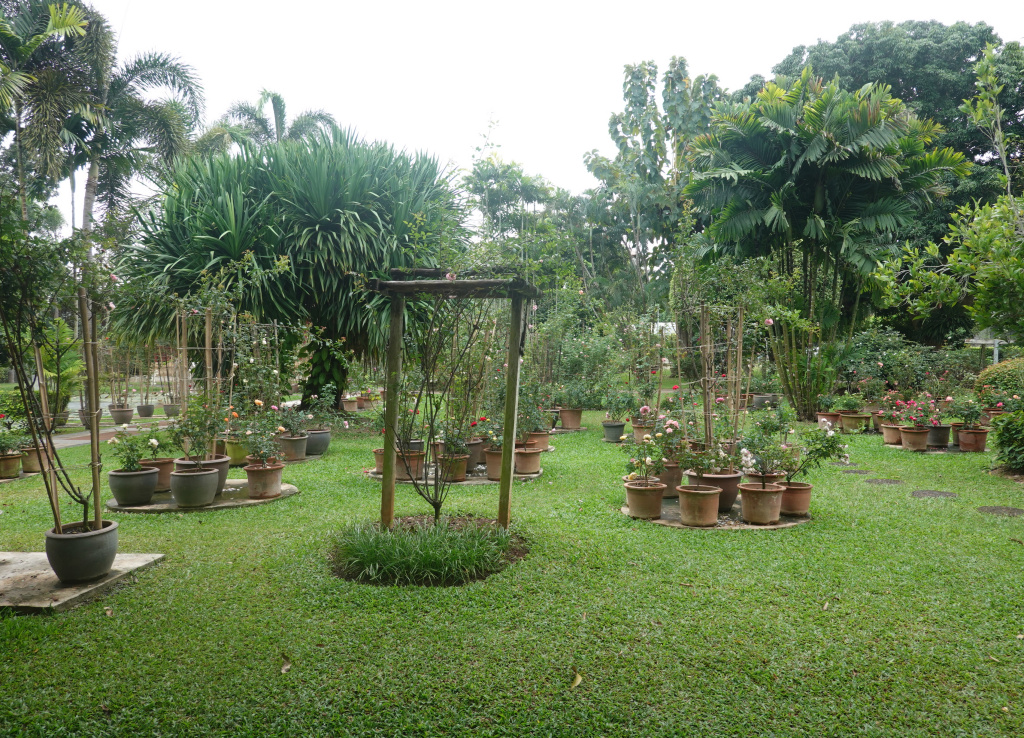
When I arrived, it was lunchtime and the museum was closed. This gave me time to wander through the gardens and photograph the flowers. The garden features roses sent to the princess by The Royal National Rose Society (RNSS), including a large, fragrant, showy pink rose which she named “Chulalongkorn” in honor of the King. Surprisingly, the roses are all in pots, possibly to keep out pests or provide better soil conditions.
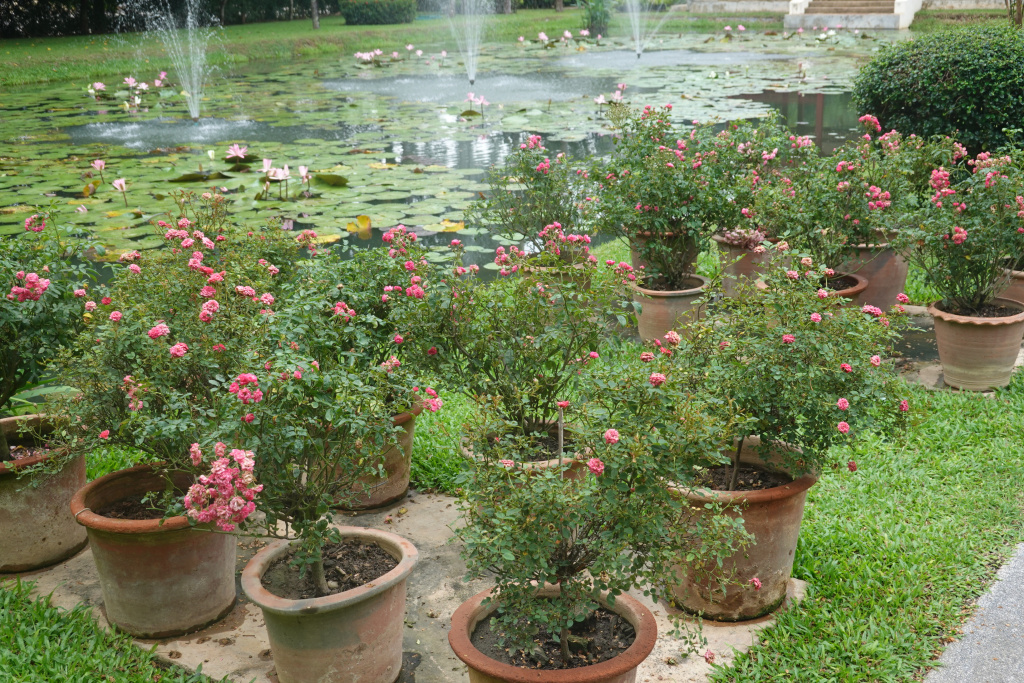
The garden by the pond has a peaceful ambiance.
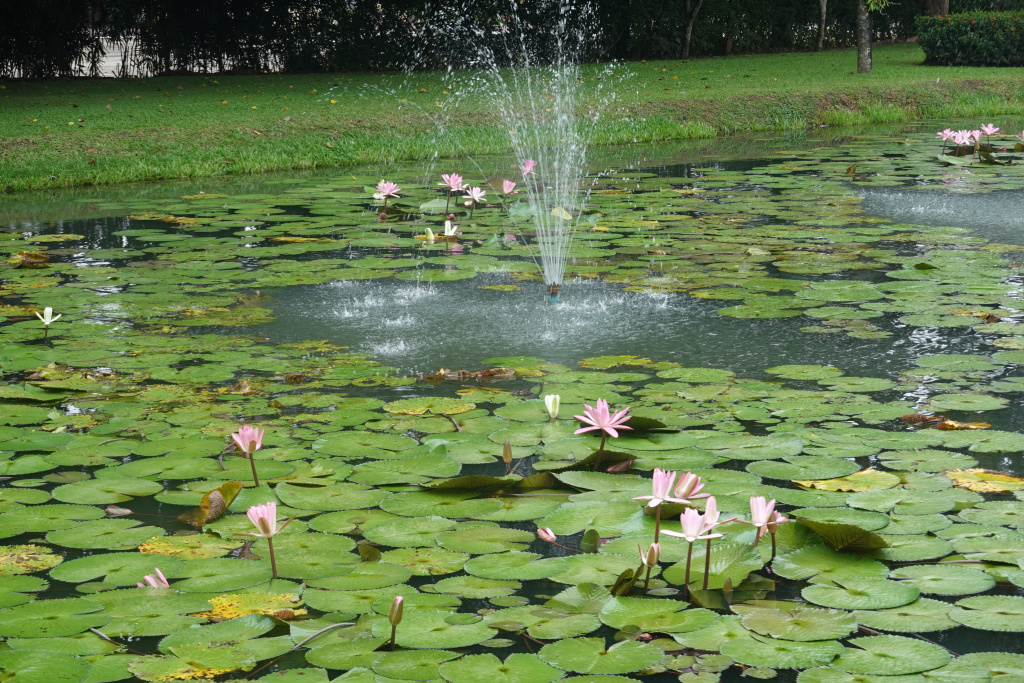
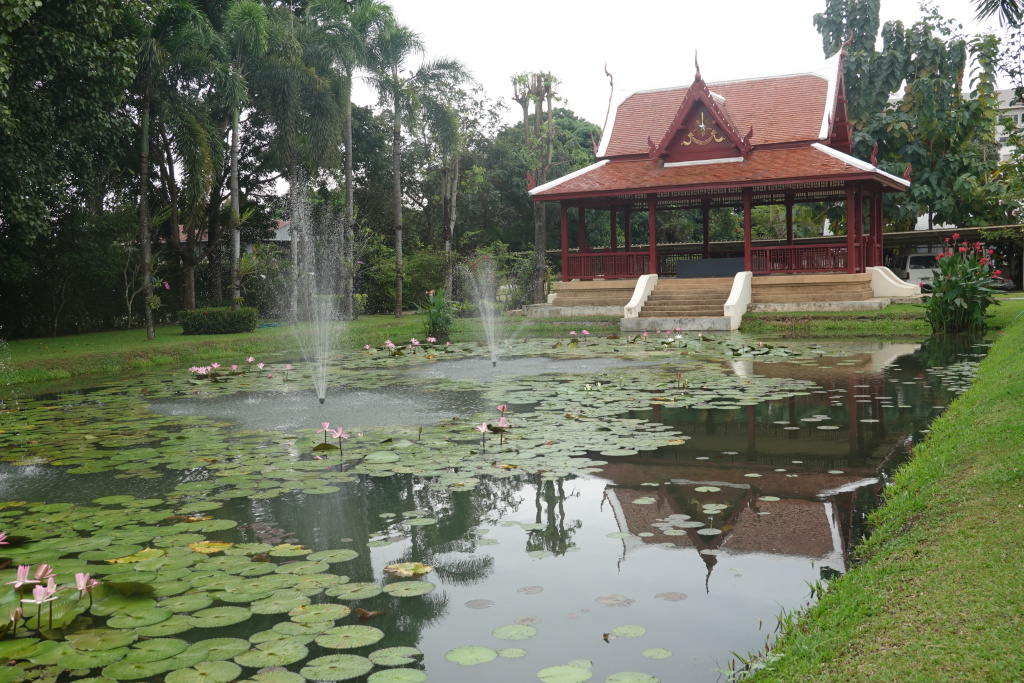
More flowers around the structure by the pond.
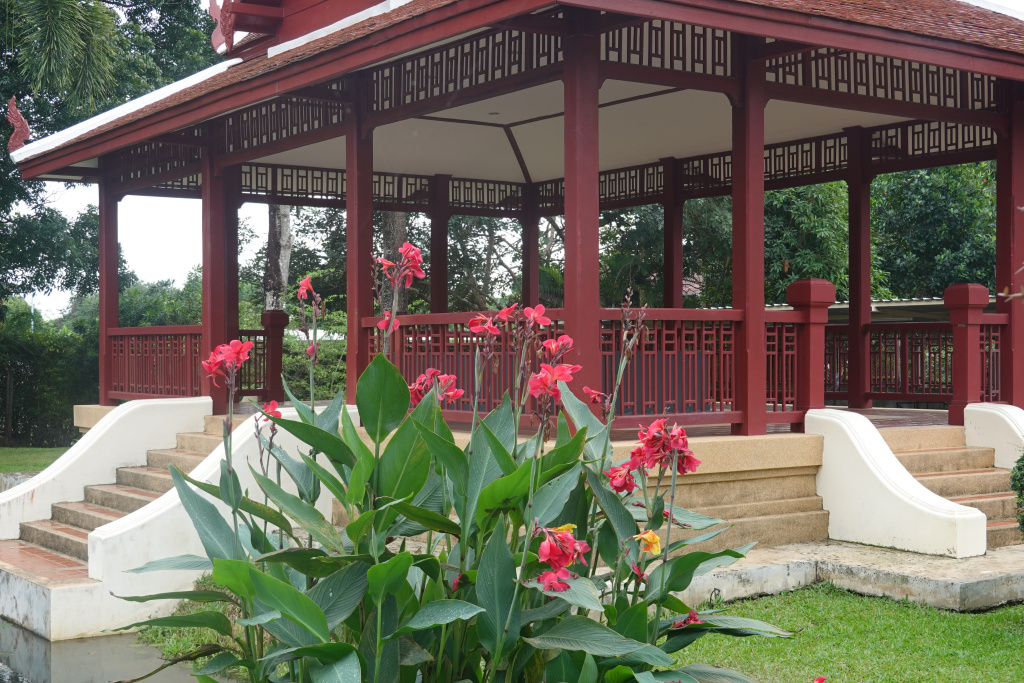
Towards the house itself, there are more roses to be seen.
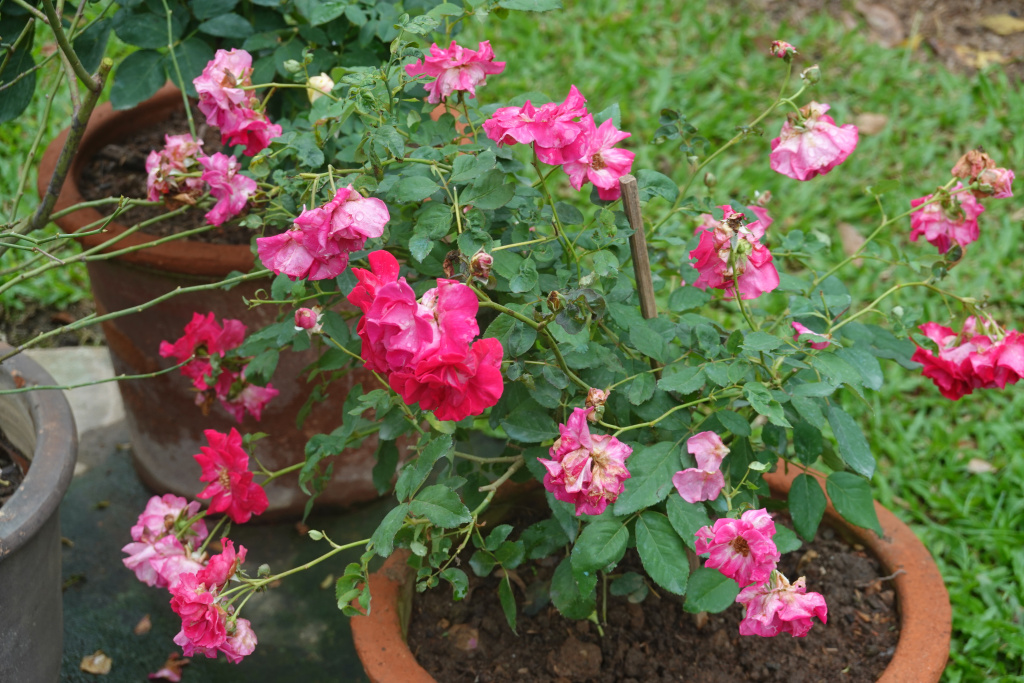
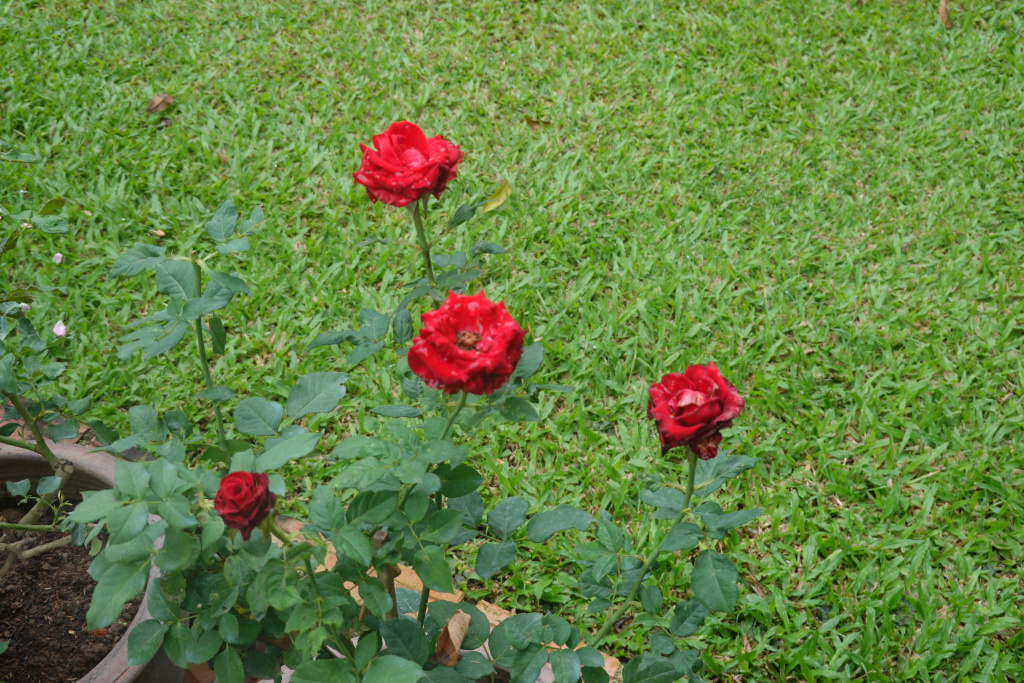
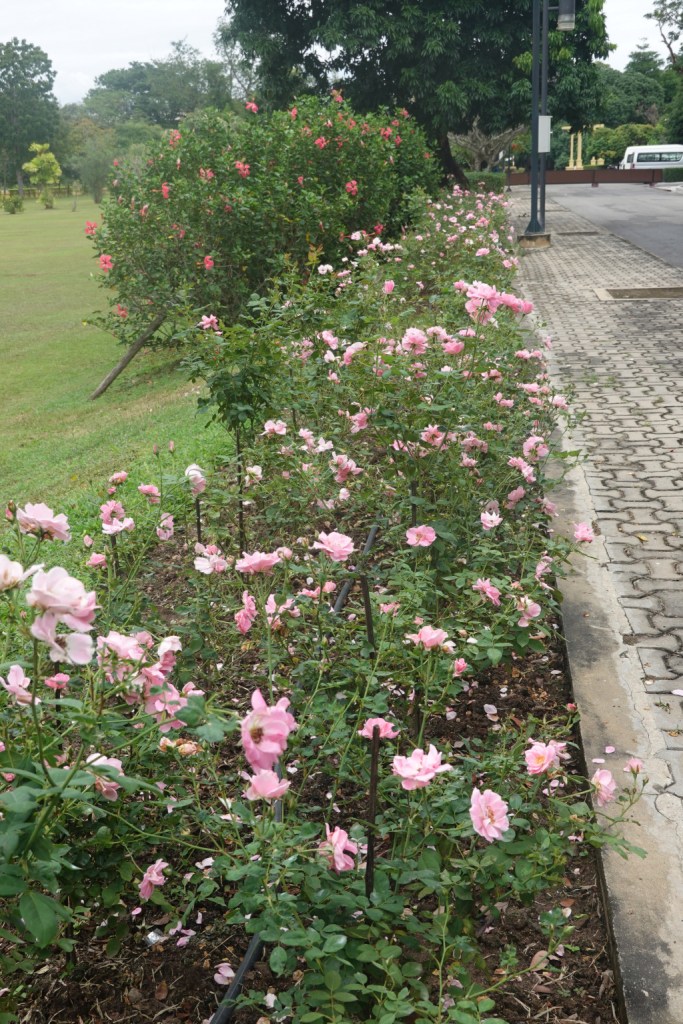
On the other side of the private road leading to the house is a large open field with what appears to be wild roses alongside the road.
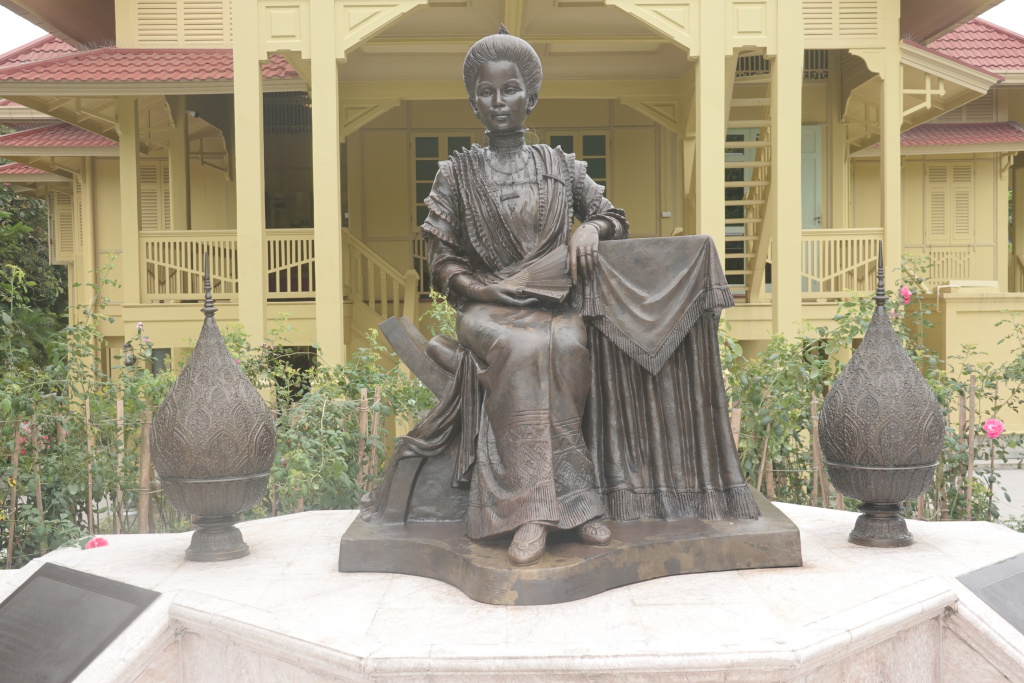
With the house in the background, a statue of Princess Dararasmi on display with white wild roses behind her.
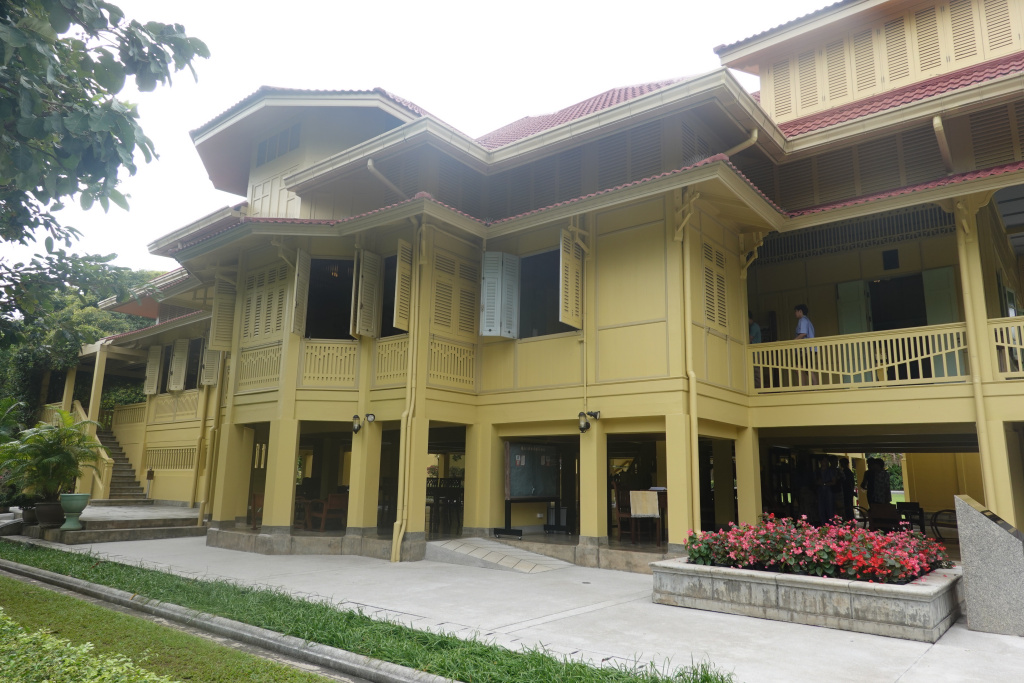
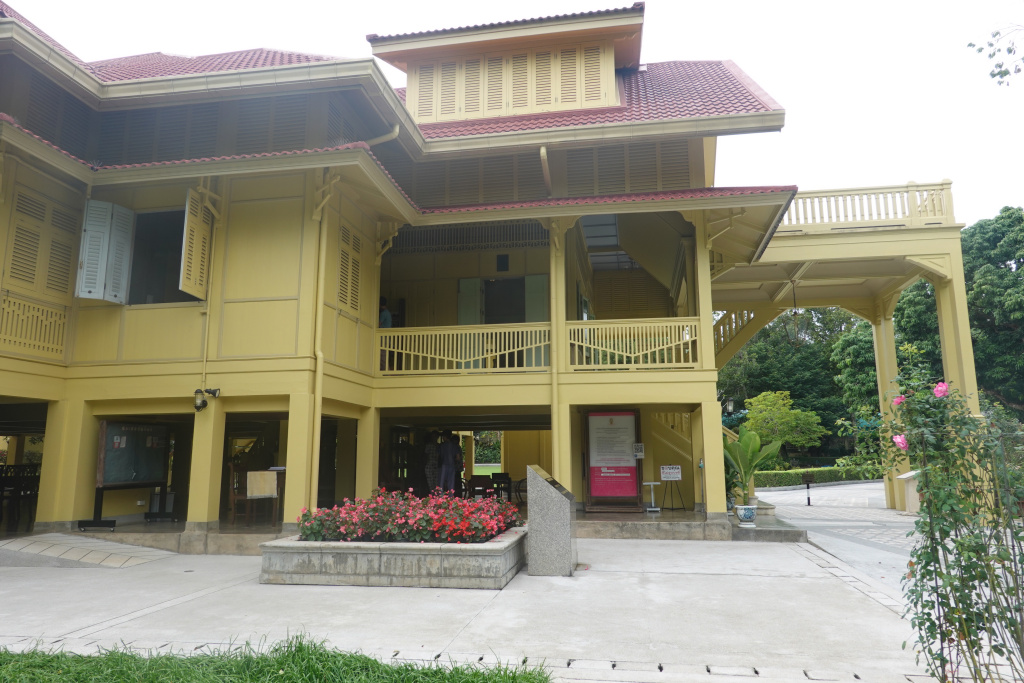
Two photos I took of the house, a mixture of traditional Thai and Victorian styles. Traditional Thai style means that the living quarters are on the second floor with the first floor often open or for utilitarian functions.
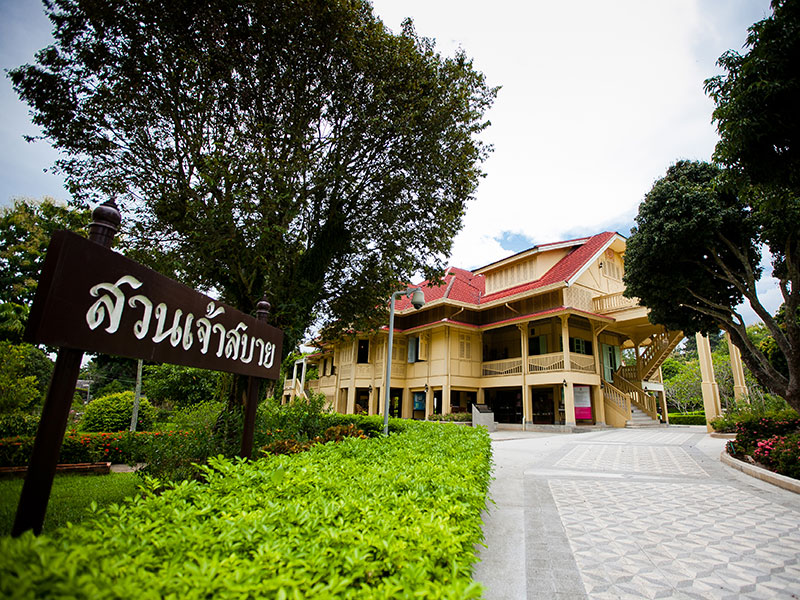
And a longer, more dramatic photo of the house I saw on the internet including the large, dramatic tree.
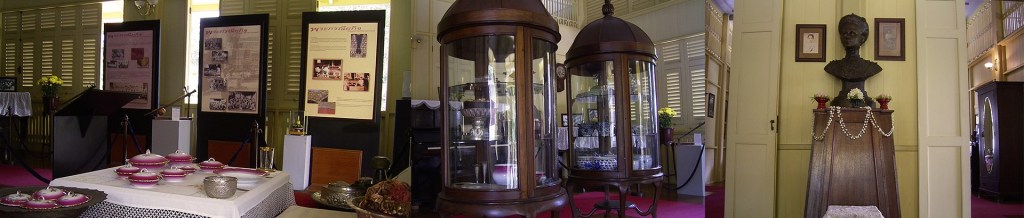
Inside the house, no photos are allowed (and the security guards watch carefully). The inside was restored to be how it was when Princess Dararasmi lived here. There are a range of exhibits showing Princess Dararasmi’s personal belongings, antique furniture, musical instruments, photographs, and textiles. Notable displays include her wardrobe, agricultural tools used on the palace farm, and gifts she received from dignitaries. There are documents and photos emphasizing the Princess’s contributions to preserving Lanna traditions and advancing modern farming techniques.
I did find one photograph showing some of the museum/residence, but it is three photos merged into one and not very clear.
Another good day in Chiang Mai honoring Princess Dararasmi and learning about her life.
Next: Hiking the Monk’s Trail again to Wat Phalad and to Wat Phra That Doi Suthep

 James the Intrepid Pilgrim