Tuesday, January 4, 2022
Chiang Moi Road to the Mae Ping River
Having had my second PCR test return a negative result, I am free to return to Wild Rose Yoga to renew my yoga practice, which has waned somewhat during the pandemic. Knowing that (1) the classes at Wild Rose Yoga are advanced, (2) May’s classes are especially long and intense, and (3) May is teaching today, I decided to restart my yoga practice tomorrow with Annie’s “slow flow” class (starts slowly, builds in intensity). Instead of yoga practice, I thought to make a walk down Chiang Moi Road to Warorot Market, the Flower Market, and Wat Kate Karam.
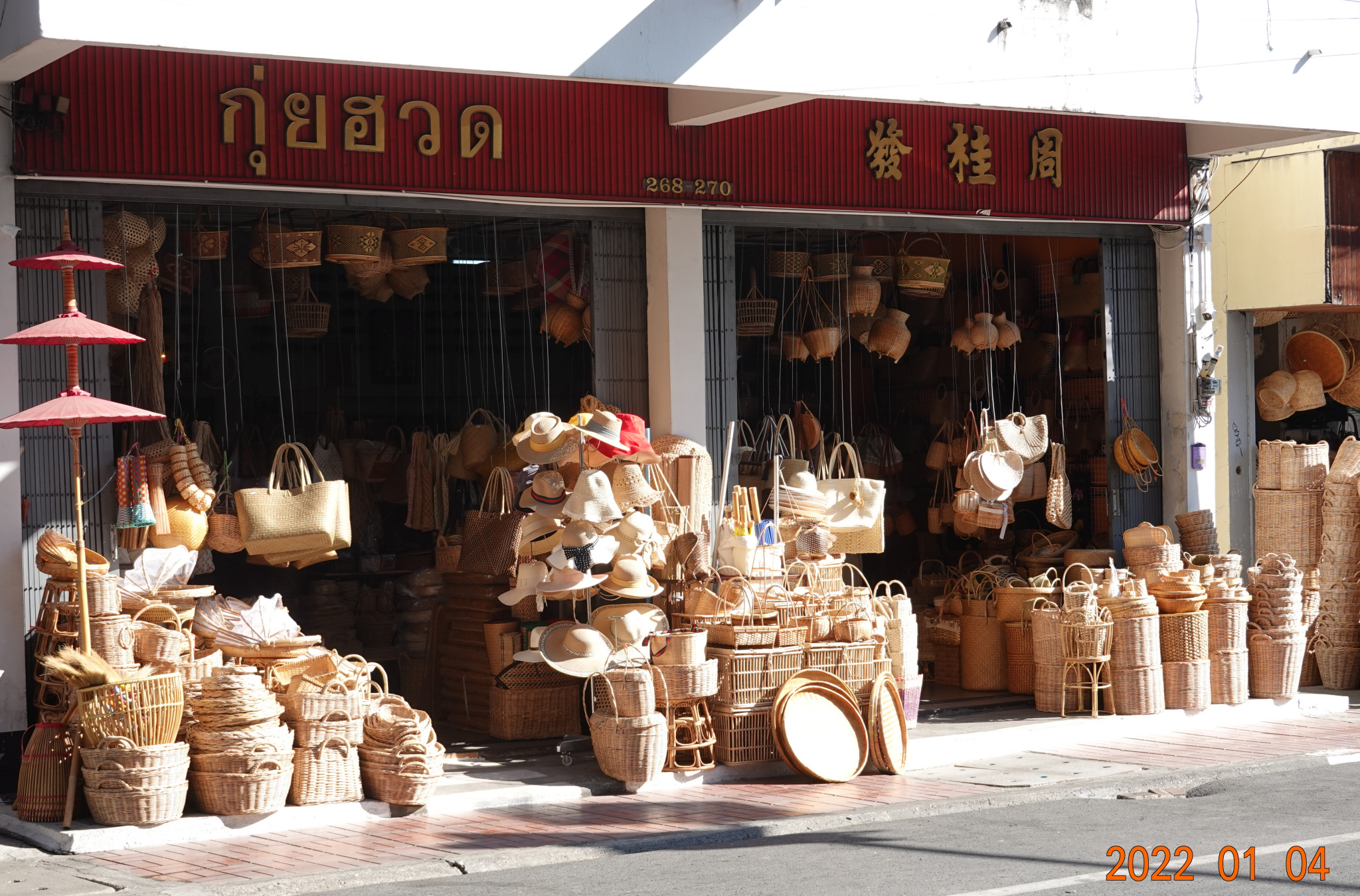
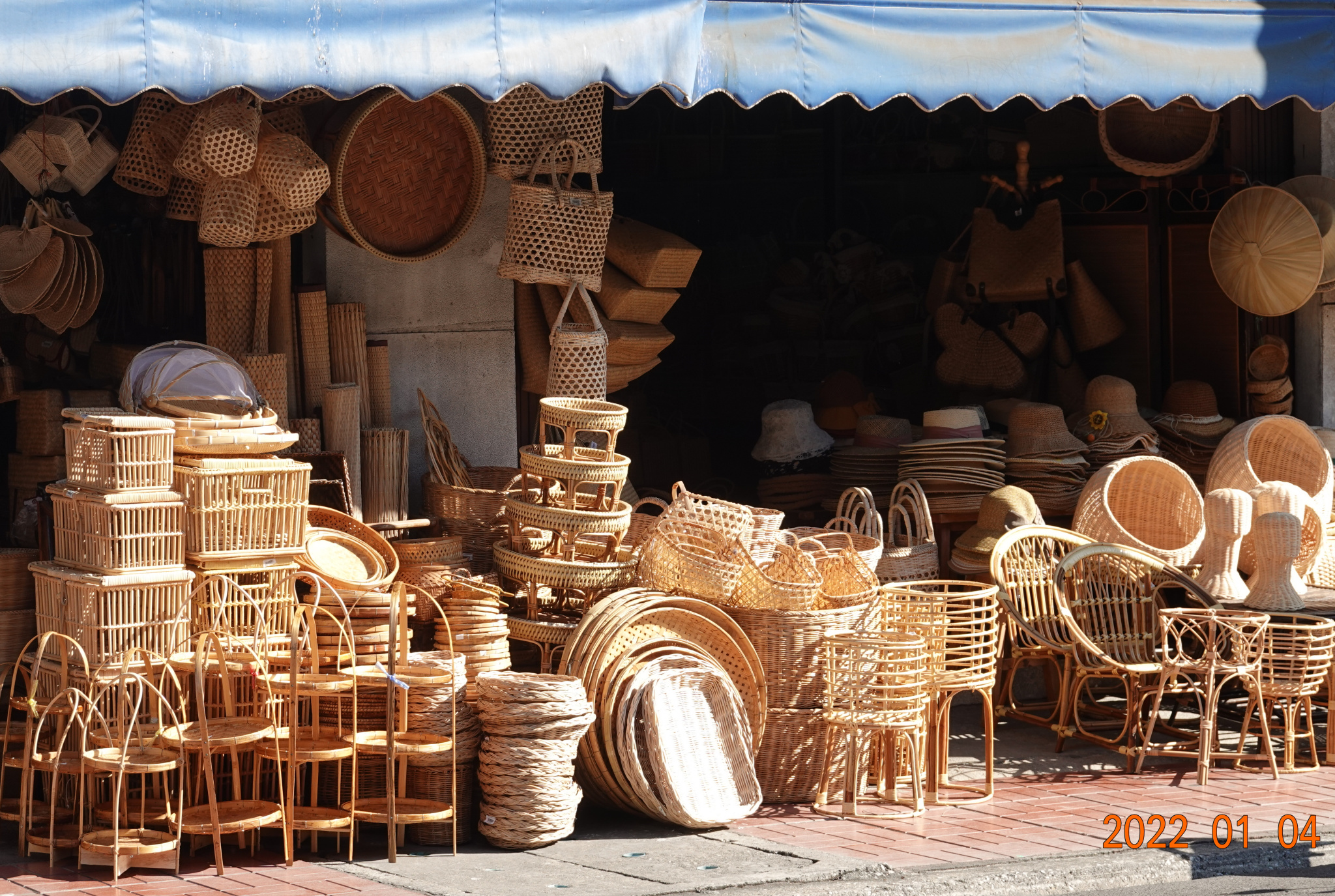
Chiang Moi Road is a one-way road outbound from close to the middle of the east side of the wall/moat to the Mae Ping River. Not too far, about 1.5 kilometers. Tha Phae Road is one-way inbound from the Mae Ping River and the Nawarat Bridge to Tha Phae Gate at approximately the middle of the east side of the wall/moat. Chiang Moi Road is always busy and lined with interesting shops. The two wicker shops that in the 10 years of my visiting have always been here, side-by-side, are still here. If one wants anything wicker, it can be found here:
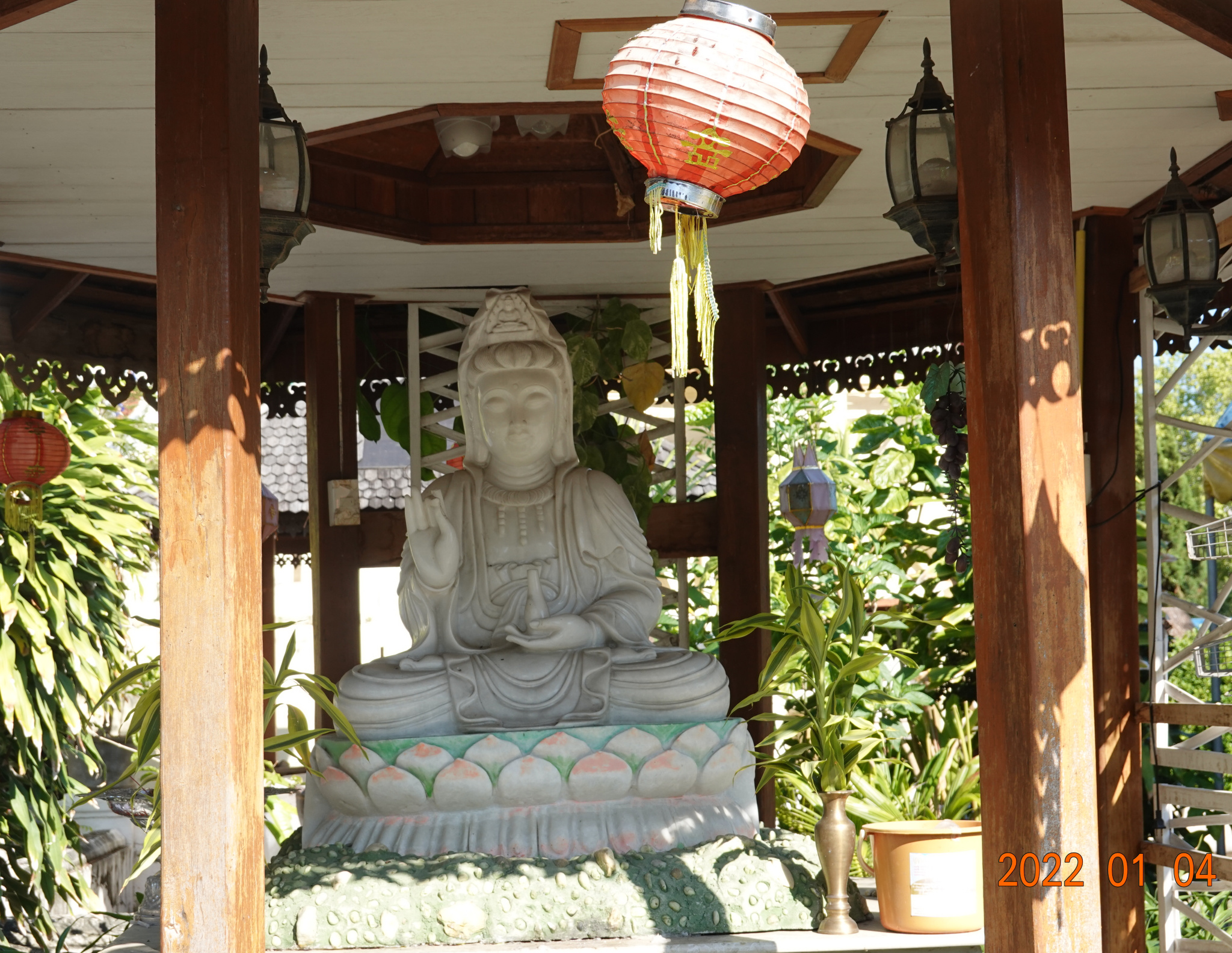
A little farther down, I saw this temple of which I was not familiar, Wat Noung Kham (even though I have probably passed it dozens of times):

I continued towards the Warorot Market, a very busy area. The market building itself is extremely confusing and almost chaotic in its layout. And there are several floors in which to get lost. I seldom enter the market building because it is so confusing, and there is really nothing for which I want to shop. Almost anything you can think of is here or in the adjacent shops. I did wander inside today, and it was just as confusing and chaotic as I remember. Thais rushing around shopping for food, clothing, home goods, everything. I saw daylight ahead and made my way outside.
The Flower Market
On the east side of the Warorot Market building is the Flower Market. The Flower Market is not really a specific market, but many flower sellers that have their shops adjacent to each other along Praisanee Road, the road along the river here. The flower market is always very busy. People drive up, park, buy flowers, and drive off. When walking alone, one must be very aware of the constant traffic coming and going, sometimes double-parked. A little frenetic, but it is always quite a sight – the flowers are fresh and beautiful. Here are a few pictures:
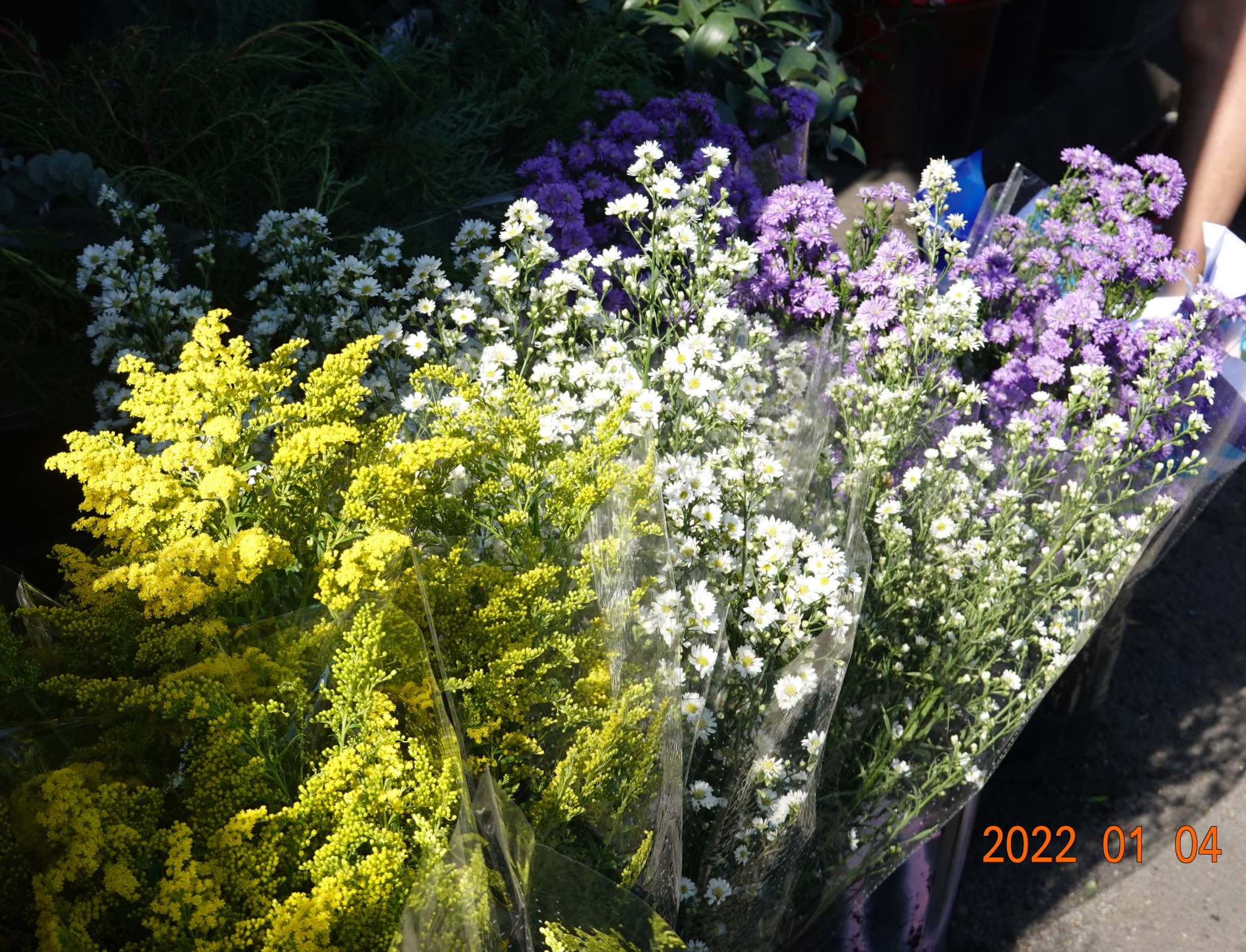
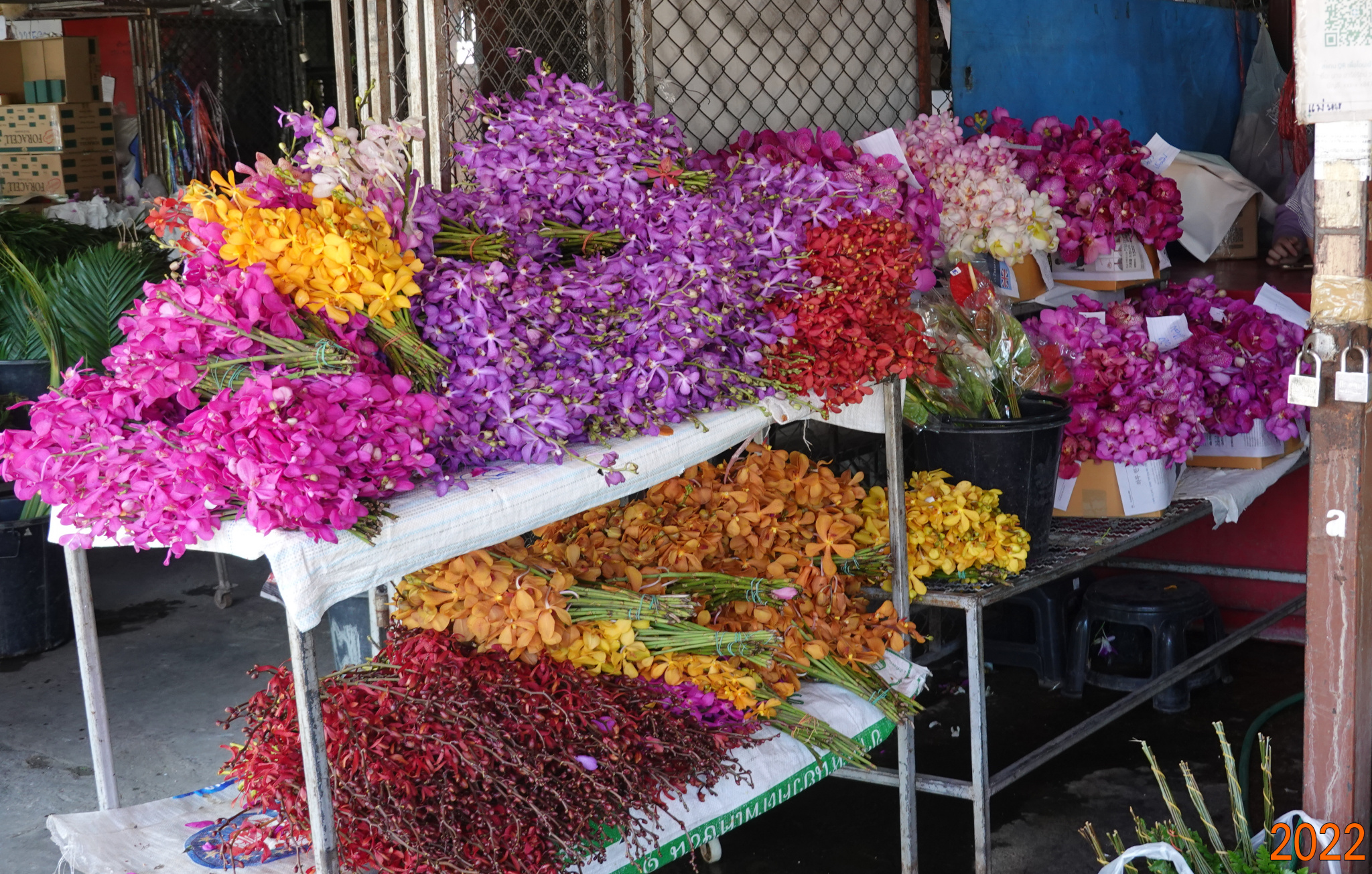
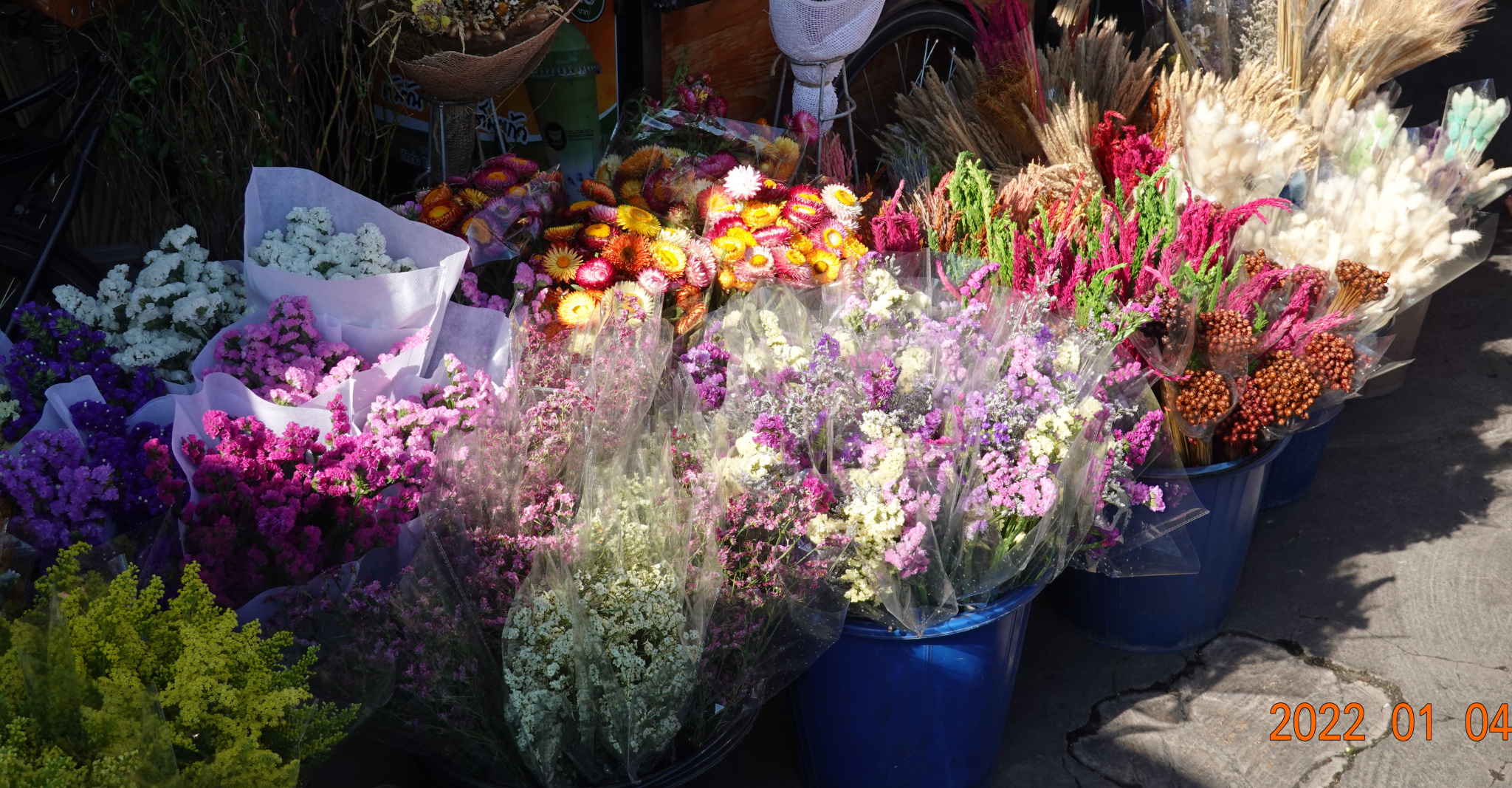
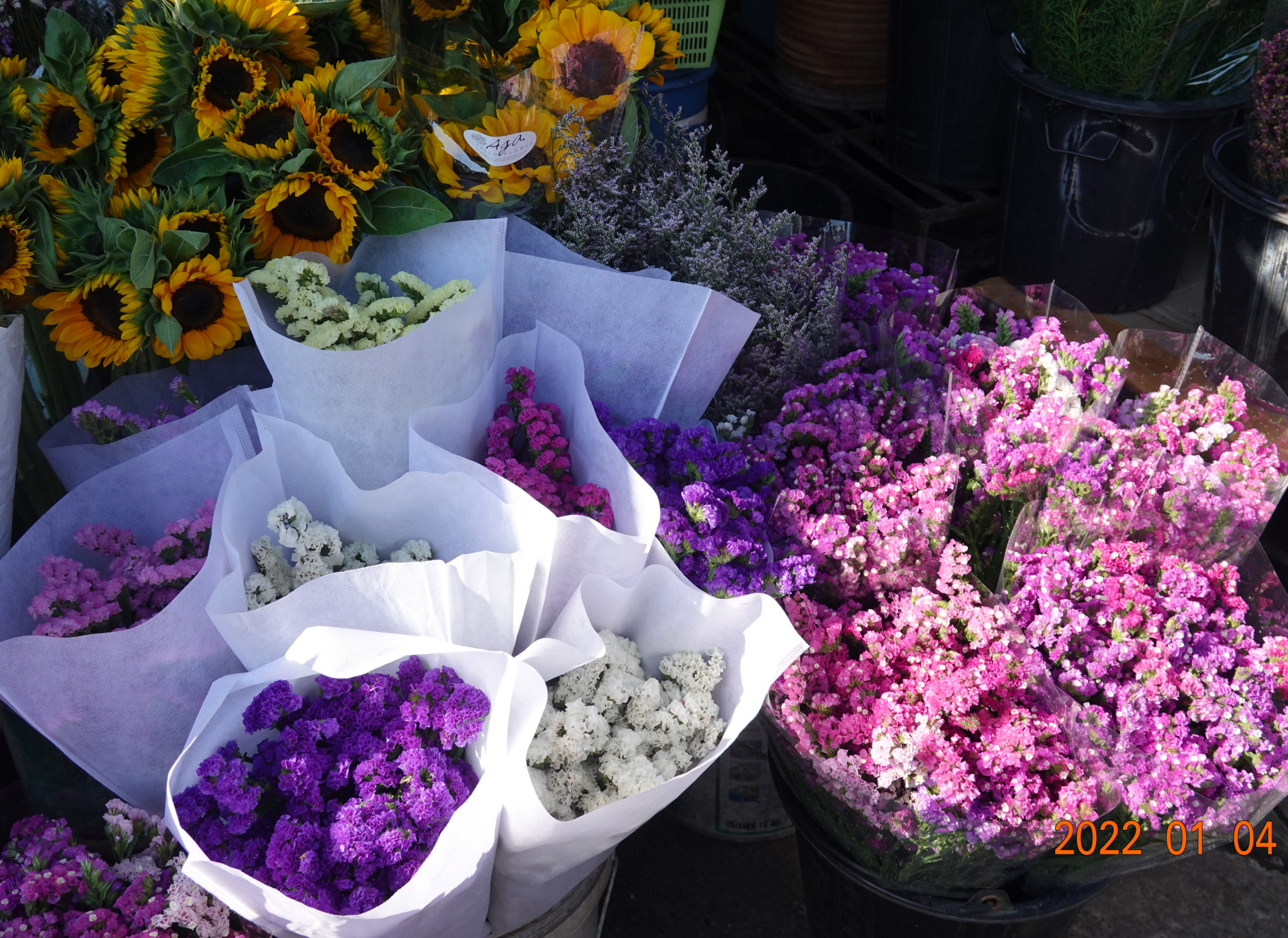
The flower market is only about 40 meters long with probably 25 shops almost jammed together. The turnover is impressive – by mid-afternoon, many of the shops will have little left to sell. And it will start all over again tomorrow, every day.
Bridge to Wat Kate Karam
In about 2005, a wooden walking bridge across the Mae Ping River from the flower market to Wat Kate Karam was damaged severely by a flood. Even though the government put signs up telling people not to cross, they kept using the bridge as it was more convenient than the main and heavily trafficked Nakhon Ping bridge about 100 meters north. Because of the safety concerns, the government finally demolished the bridge, promising to replace it very soon. Ten years later, when I visited the flower market, I could see that the construction of the new concrete bridge was underway. And the following year, 2017, the bridge was finally opened. Now instead of a tense walk across the very busy motorbike/car/truck Nakhon Ping bridge to get across the river, the crossing is quiet and pleasant on this walking-only bridge. A view of the bridge:

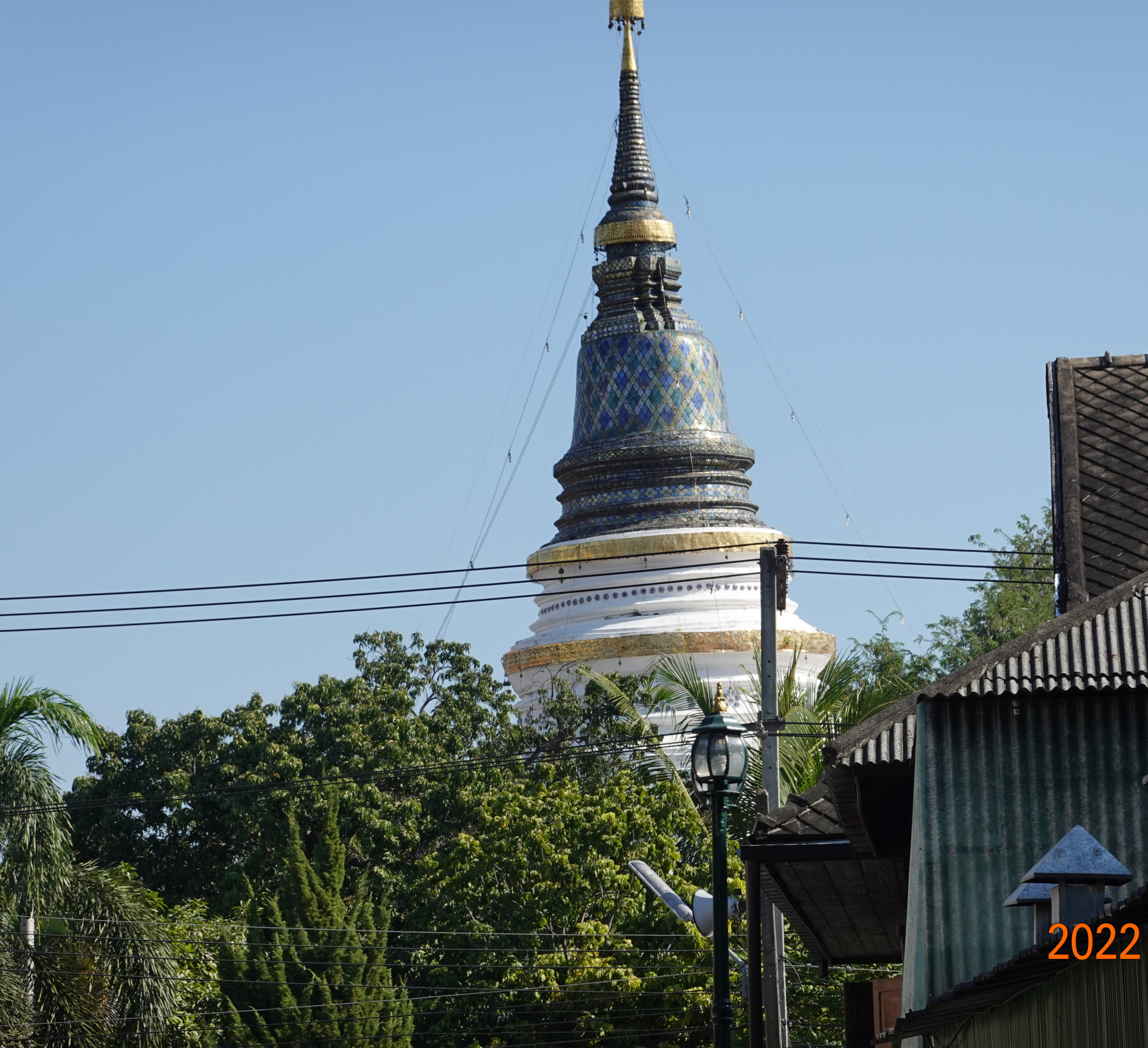
And while walking across the bridge at about the middle, the chedi at Wat Kate Karam comes into full view.
Wat Kate Karam
The name Wat Kate Karam has one of the sounds that does not translate easily from Thai to English. On the temple grounds, I see three different English spellings: Ket, Kate, and Gate. The sound is really in between the hard K and G sounds in English, and leaves translators unsure how to spell the name. I see “Kate” or “Ket” most of the time. Wat Kate Karam is an older temple in Chiang Mai, first built in 1428. In 1545, the same earthquake that demolished the upper part of the chedi at Wat Chedi Luang also destroyed the chedi at Wat Kate Karam. The chedi was rebuilt and remains today.
The viharn (worship or assembly hall) here now was built in the 19th century. This is typical of many temples – structures deteriorate after a few hundred years and repeated renovations and are finally rebuilt entirely.
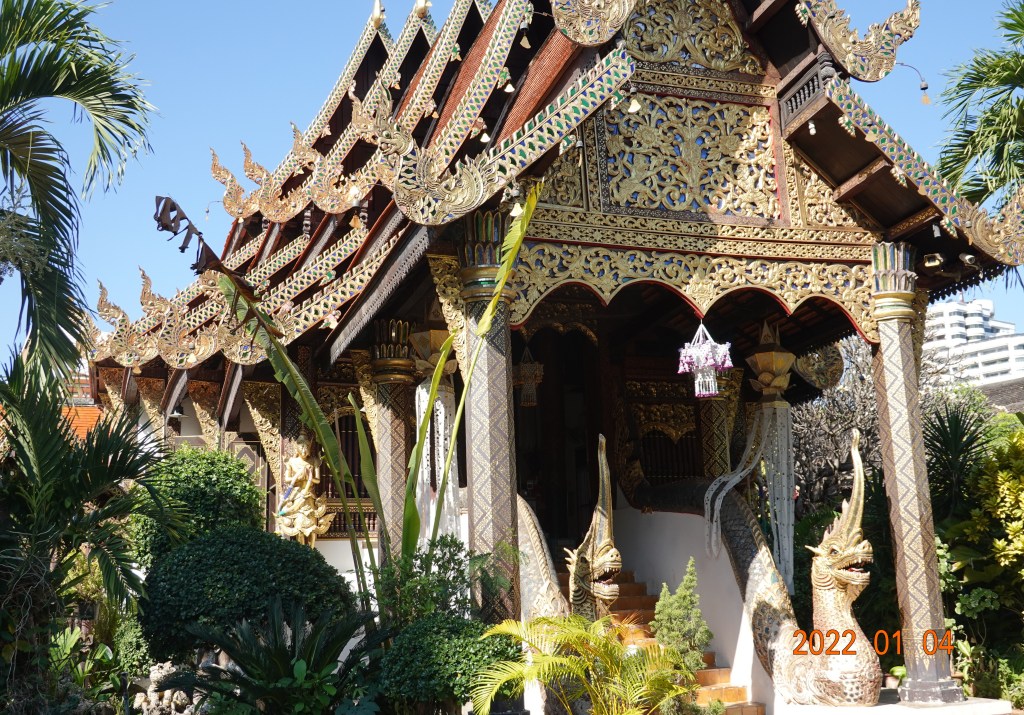
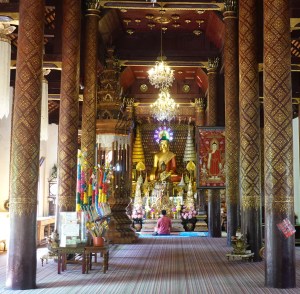
The roof is a spectacular Lanna style roof made up of five tiers which is supposed to denote royal status. Inside the viharn is fairly typical with quite beautifully crafted woodwork.
Over to the side is an ubosot or ordination hall that I have never seen open. These doors are very intricately decorated:
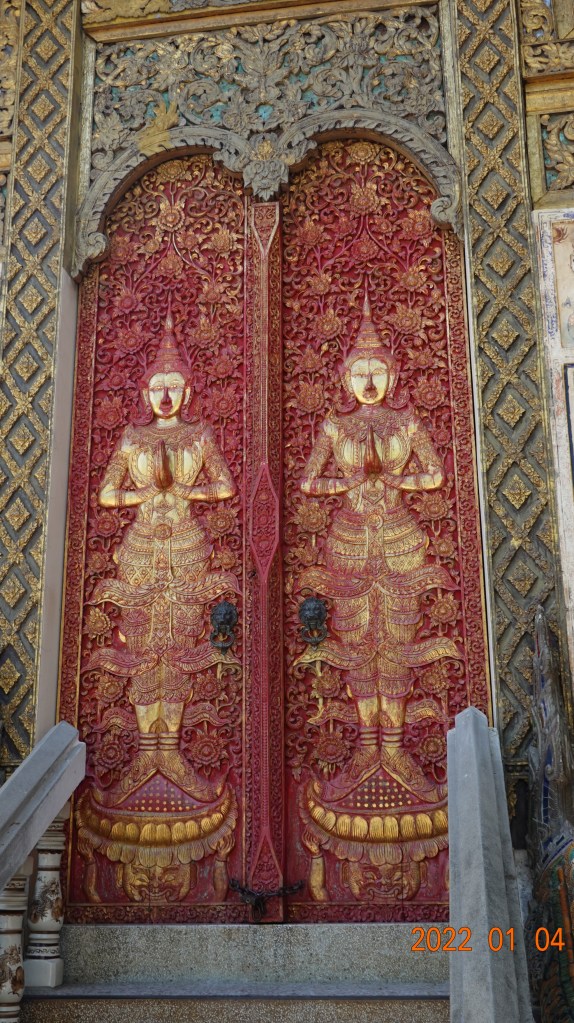
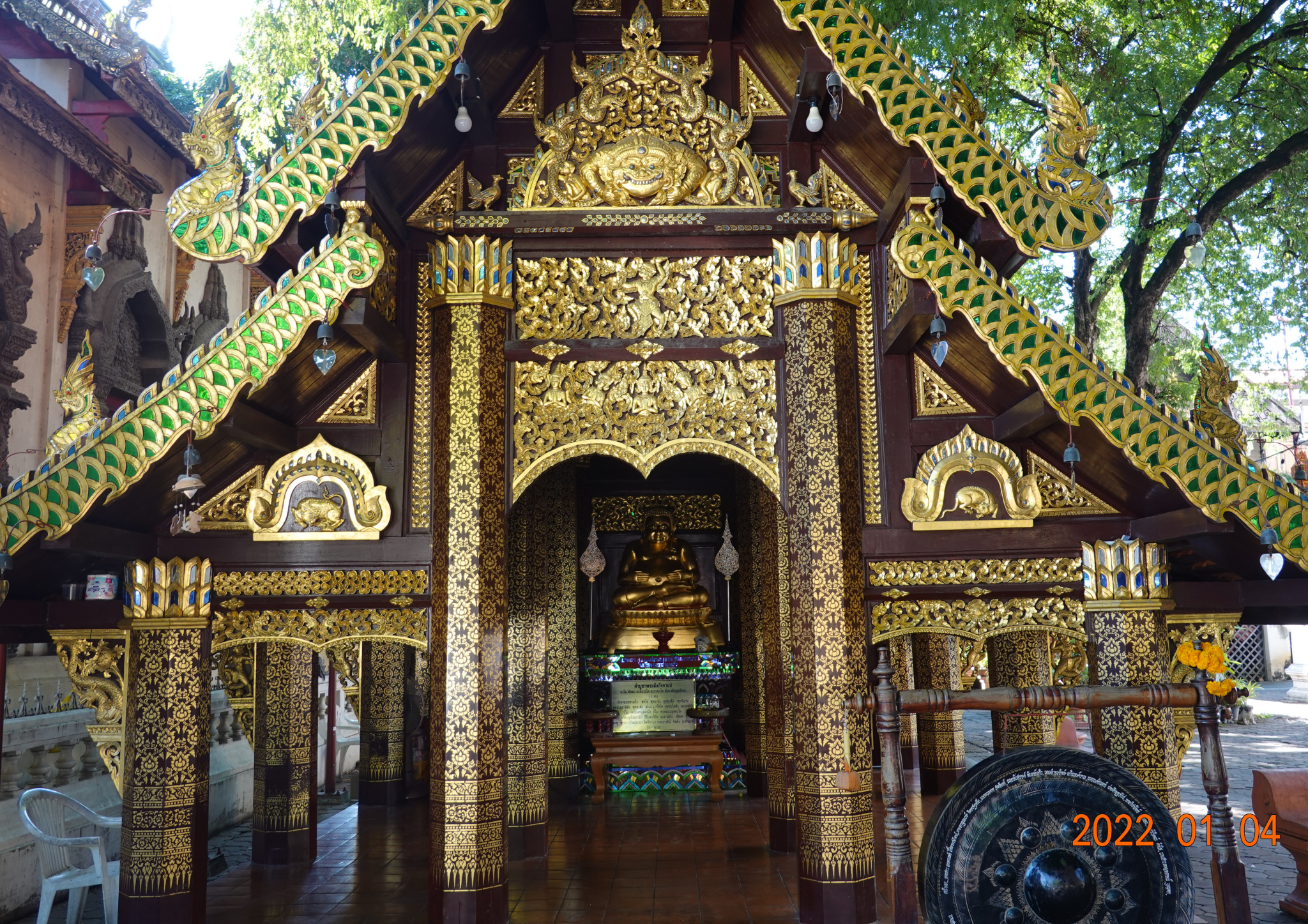
I’m still, after all these year, very curious about the look of the inside of the ubosot. Off to the side is another pavilion that has been recently renovated. I am unclear exactly what it is – it may just be a pavilion for the Buddha statue inside.
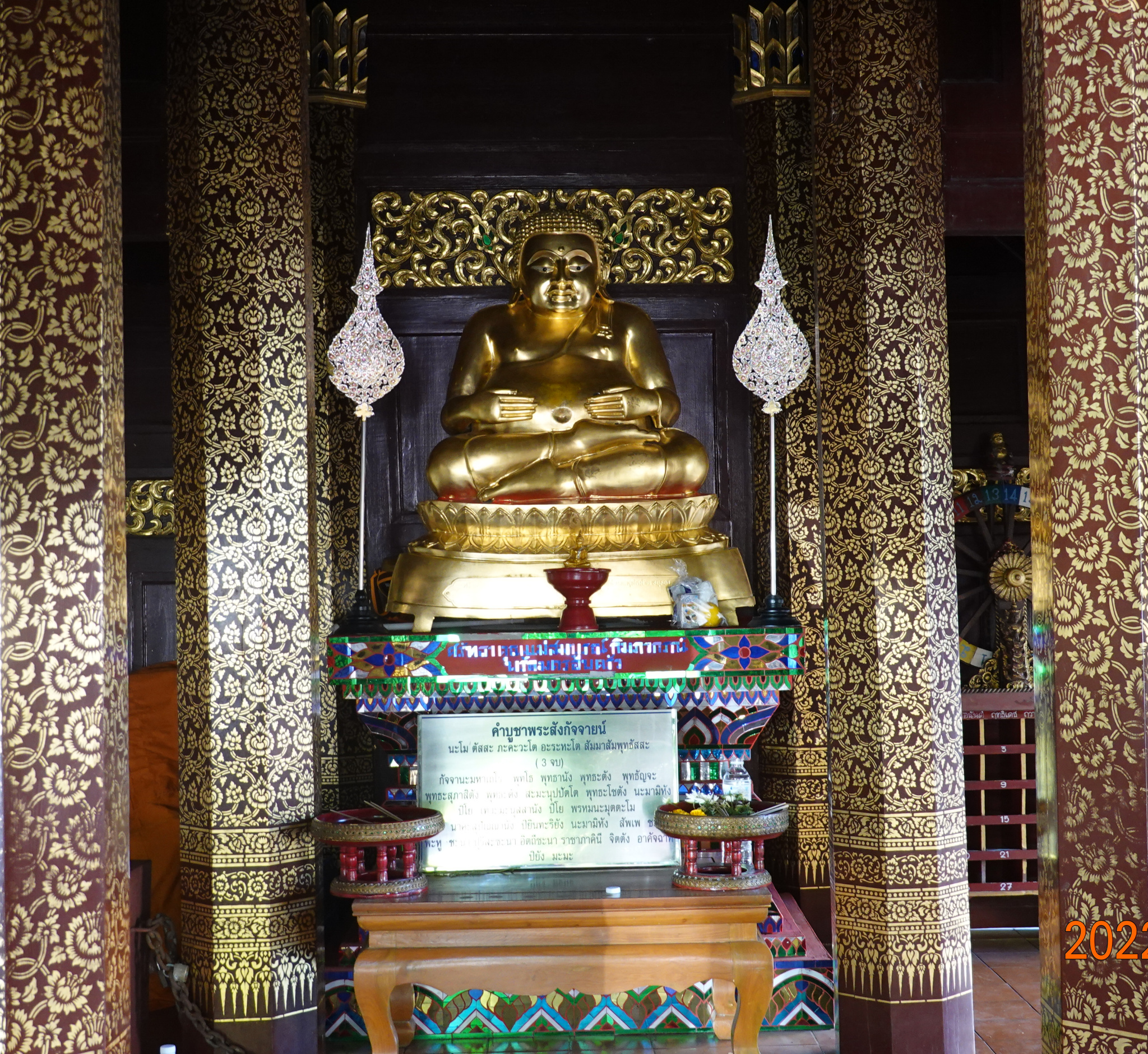
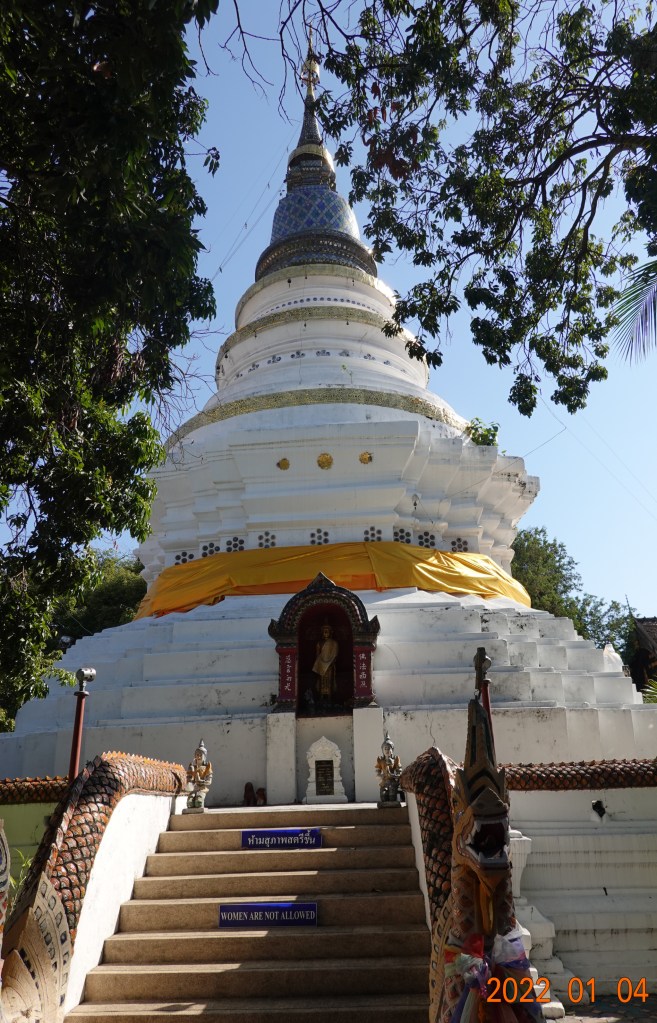
And finally the chedi from inside the temple grounds. It is said to contain a sacred relic of the Buddha, and is called “Phra That Ked Kaew Jula Manee.” After being badly damaged in the earthquake of 1545, a new chedi was ordered to be built by King Sultholhai in the Lanna style. It was built slightly tilted “in order to avoid indecency by pointing it to the one in heaven”. I cannot detect the “tilt.”
Bridges Over the Mae Ping River
I walked south along the Charoen Rajd Road and had my choice of a couple of crossings to get back towards the old city and See You Soon. The first is the Nawarat Bridge, a very busy bridge, but with nice wide sidewalks. This is the most well-known and significant bridge of Chiang Mai, and has been reconstructed several times in history. In 1910, a wooden bridge with arch structure designed by an Italian was constructed using 600 teak logs. It was the first bridge over the Mae Ping River. A fire destroyed it, and in 1923 a replacement was built of steel. This one lasted for a time, but after deteriorating somewhat, was replaced with the current concrete structure in 1965. The bridge is often decorated with flowers along the sides. Now there are still holiday lights along the sides, not easy to see in the picture.
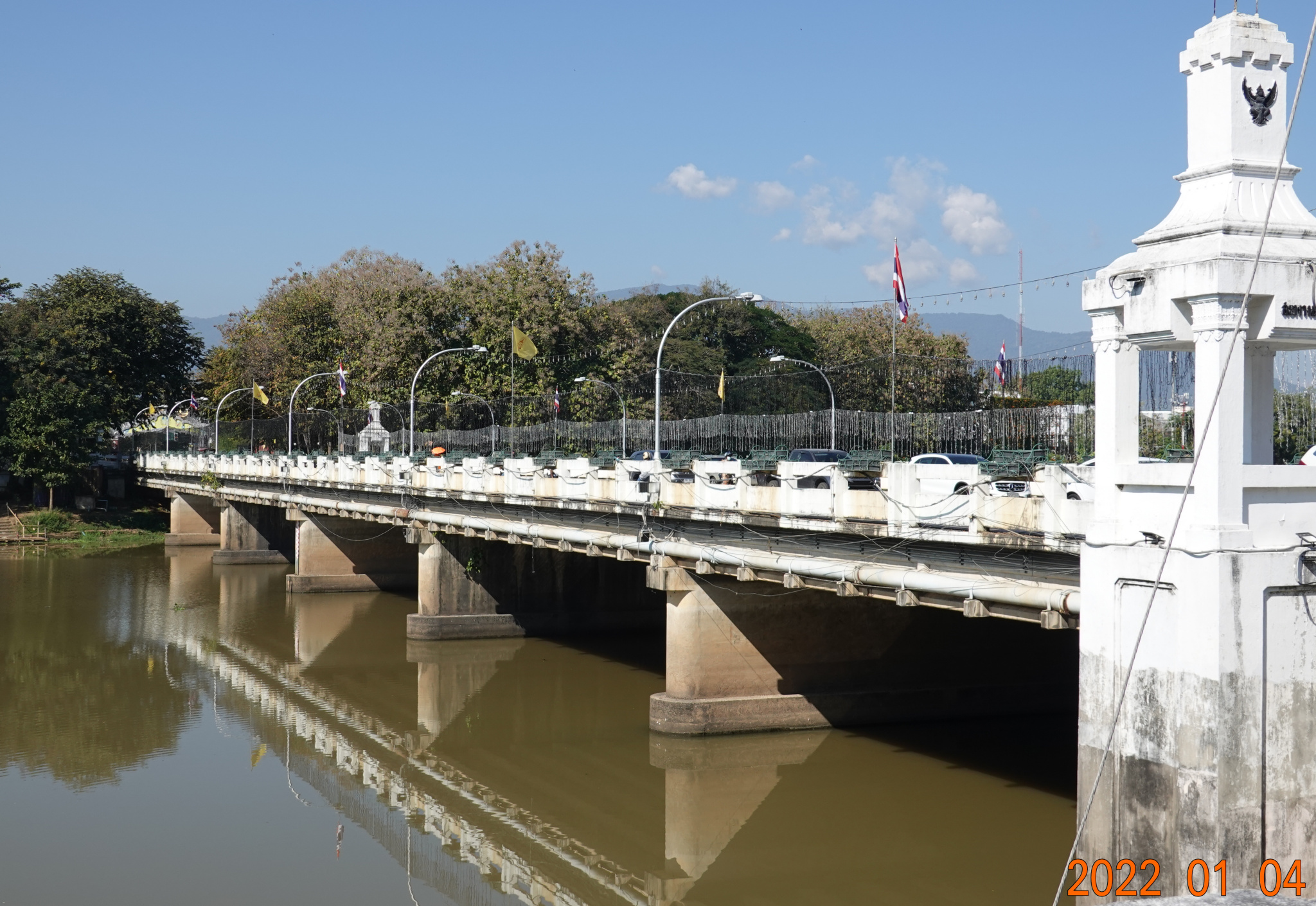
The Nawarat Bridge leads directly to Tha Phae Road which goes up to Tha Phae Gate. This is a good option, but I continued south a bit thinking I’ll cross over on the Iron Bridge.
The Iron Bridge (Sapaan Lek) is so named because it is constructed of steel. This is the so-called “new” bridge having been built about 50 years ago. It is said the Iron Bridge was built as an homage to the formerly steel Nawarat Bridge that was replaced in 1970.
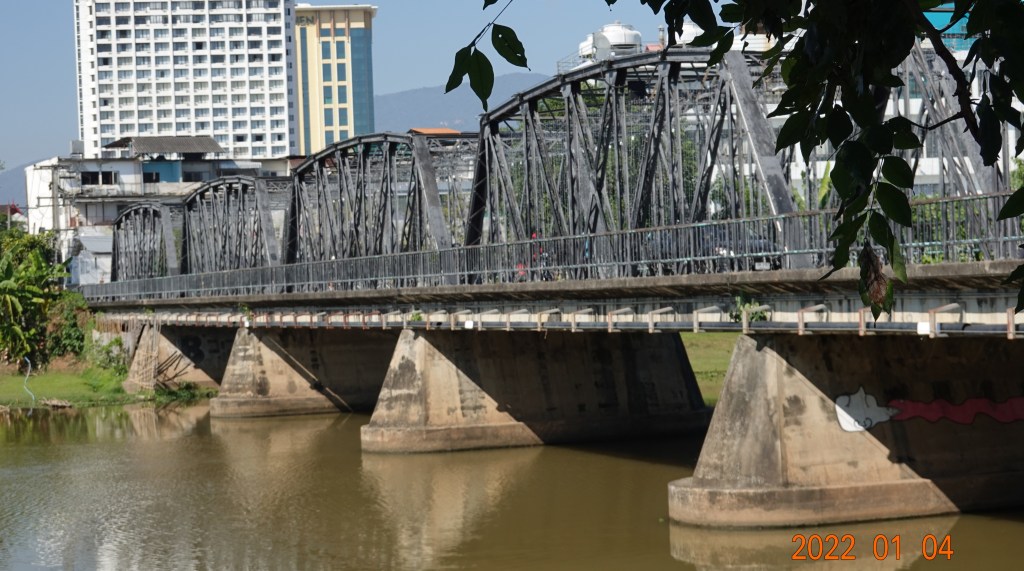
The Iron Bridge is a one-lane, one-way outbound bridge. There are sidewalks on both sides of the lane on the bridge, but on the approach between Charoen Prathet Road and the bridge, the area in which to walk is quite narrow, and there always seems to be a string of larger vans coming right when I get to the end of the bridge making getting to Charoen Prathet Road a little nerve-wracking. Once I got over the actual bridge, a newly-built large sign on business was clear about what they offered:
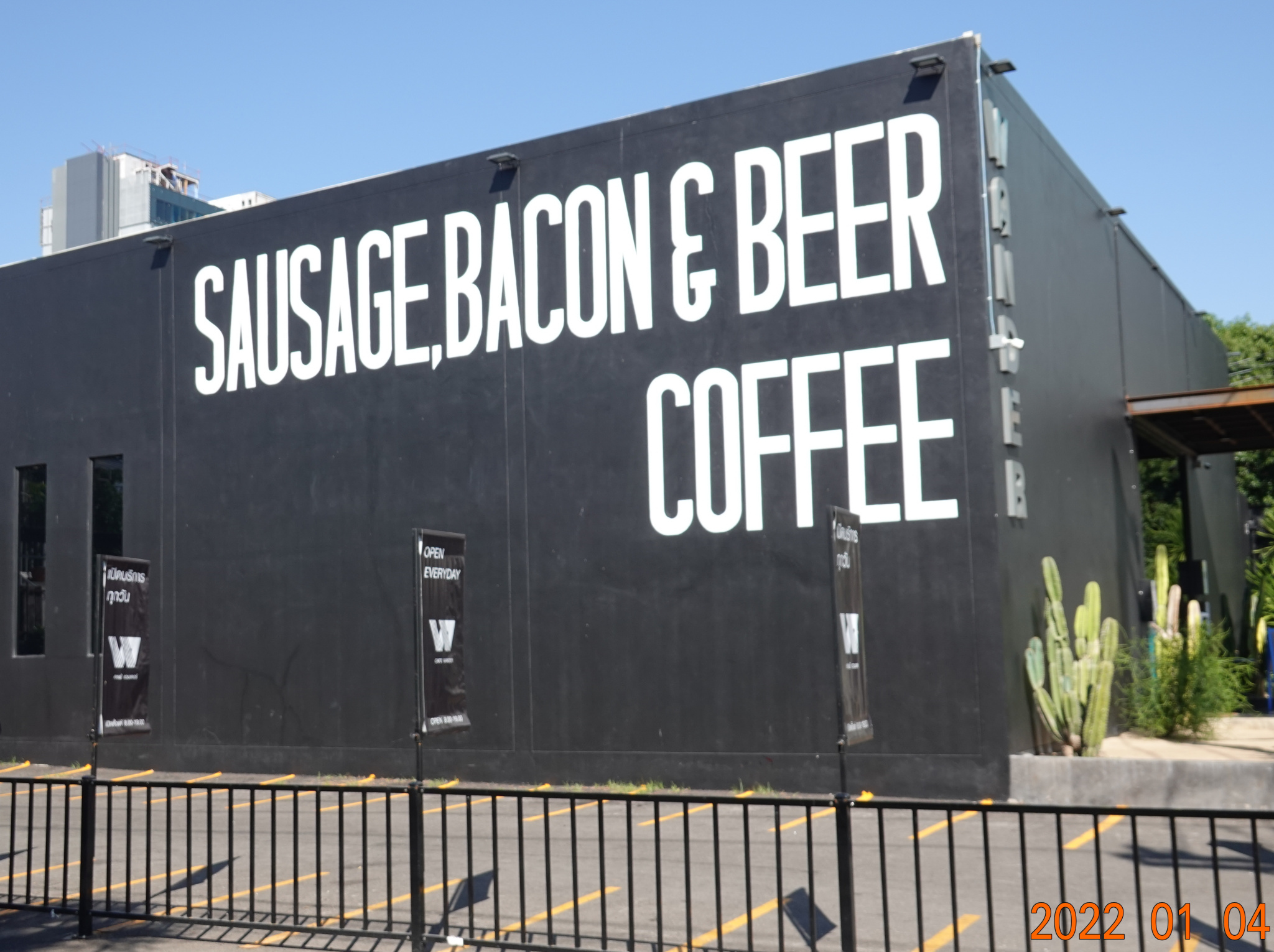
I made my way up Loi Kroh, past the night bazaar area, and on to See You Soon. Another very nice day in Chiang Mai.
Next: Return to Wild Rose Yoga and an afternoon walk

 James the Intrepid Pilgrim
Back in 2009 and 2010, I found Warorot Market (building) quite fun to walk around. I did/do love all the flower stalls leading up to the building. Don’t know if you’re into tech stuff, but have you been to Panthip I.T. Plaza on the corner of Sridonchai Rd. and Chang Klan? Don’t know what’s it’s like after the pandemic, but we always had lots of fun looking in all the tech stores. Gecko Garden restaurant is close by on Sridonchai…used to be owned by an ex-pat from Palo Alto, CA but not sure if that’s still the case. They serve (or should I say served as I’m not sure if they still sell Thai food) American Cuisine (big plates full) and the price was very reasonable. Thanks for all of your posts on your trip…I miss Chiang Mai!
LikeLike